Your first job is a milestone. Prepare for it with purpose.
Career clarity, practical preparation and the confidence to move from campus into the world of work. Start with the questions that matter, build evidence of what you can do, and take your next step with intention.
Becoming work-ready is a journey.
A first job is not secured by a resume alone. It is the result of understanding yourself, exploring opportunities, developing relevant skills and learning how to communicate the value you can bring.
You do not need to have everything figured out at once. You do need a practical next step.
From direction to your first day.
Discover your direction
Explore interests, strengths, values and possible career pathways. Learn to ask better questions before choosing a role, industry or next qualification.
Build your evidence
Turn coursework, projects, internships, competitions, volunteering and independent work into evidence of your skills. Learn to explain what you did, how you approached it and what changed as a result.
Prepare for selection
Understand resumes, applications, networking, interviews, group discussions and professional communication. Practise presenting your experience clearly and honestly.
Start and grow
Learn workplace expectations, professional habits, collaboration, feedback, adaptability and the mindset needed to keep learning after your first day.
Make informed choices, not rushed choices.
Career decisions are easier when you understand the work behind a job title. Explore the day-to-day responsibilities, skills, qualifications, work environments and possible pathways connected with careers that interest you.
Talk to people doing the work, seek reliable information and test your assumptions through projects, internships or short experiences.
A resume tells. A portfolio shows.
Your profile can include more than formal employment. Academic projects, case studies, internships, competitions, writing, research, presentations and community work can all demonstrate relevant abilities when presented thoughtfully.
Choose a small number of strong examples. For each one, explain the problem or objective, your role, the approach you took, the outcome and what you learned. Be accurate about your contribution and the results.
Be ready for the process, not just the interview.
A strong first-job search combines preparation and consistency. Understand the role, tailor your application, practise explaining your work, prepare thoughtful questions and follow up professionally.
Rejection is part of many job searches. Use feedback and reflection to improve the next attempt.
What you will learn to do.
The practical skills a first-job search needs, in the order most students meet them.
Resume writing
Present your education, projects and skills clearly, with evidence in place of adjectives.
Build a profile that recruiters can find and trust, and use it to learn about roles and people.
Internships
Find, apply for and use internships to test careers and build proof of your work.
Aptitude tests
Understand common quantitative, logical and verbal test formats, and practise steadily.
Interviews and group discussions
Prepare your stories, research the role, listen well and contribute with clarity.
Workplace readiness
Communication, time, teamwork and handling feedback in your first months at work.
Practical videos on careers and first jobs.
Follow the YouTube channel for conversations and guidance on careers, hiring and higher education.
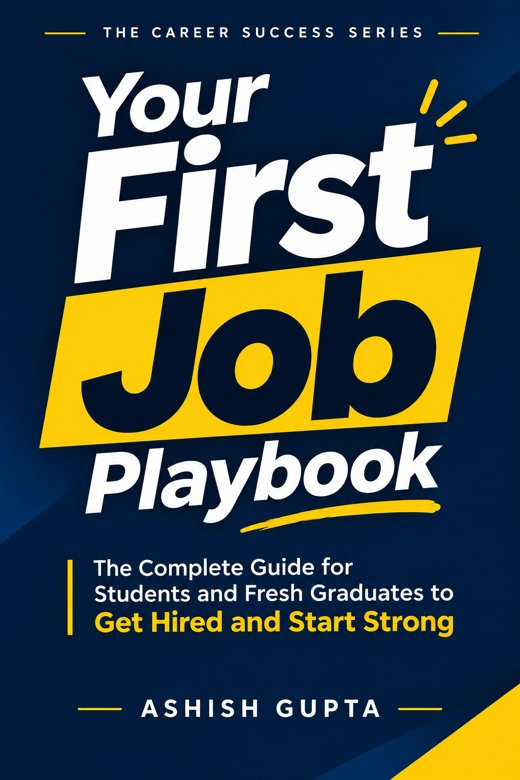
A practical guide from campus to career.
Your First Job Playbook is The Complete Guide for Students and Fresh Graduates to Get Hired and Start Strong. It works through the practical stages of first-job preparation, including resume development, portfolio building, case studies and work samples, applications, interviews and professional readiness.
It is written in easy, human language, with each chapter opening on what it covers and closing on clear takeaways.
Explore Your First Job PlaybookCommon questions.
Do I need work experience to build a portfolio?
No. A portfolio can start with academic projects, case studies, presentations, writing, volunteering and competitions. What matters is that each example shows how you think and what you did.
What can I include if I am a fresher?
Include your best projects, internships, research, club or community work, and any independent work. Choose a few strong examples and explain your role, approach, outcome and what you learned.
When should I start preparing for my first job?
Early. Career awareness, skill building and collecting evidence of your work are easier across several semesters than in the final months.
How do I explain academic projects in an interview?
Describe the problem, your role, what you did, the result and what you would improve. Be accurate about your own contribution.
How can I choose between different career options?
Learn what the work involves day to day, talk to people doing it, and test your assumptions through projects, internships or short experiences before deciding.